Hybrid mattresses combine an innerspring support system with cushioning comfort layers, bringing together features associated with traditional spring beds and foam or latex designs. Their layered construction can provide responsive support, pressure relief, and airflow. Understanding these materials and how they work helps explain the role hybrid mattresses play in a complete bedding setup.
Coils are commonly used to support the body and create a springy, responsive feel, while upper layers soften the sleeping surface. Depending on the design, those layers may include foam, latex, or other materials, each with distinct characteristics. Construction, firmness, and layer thickness influence comfort, motion transfer, and suitability for different sleep preferences.
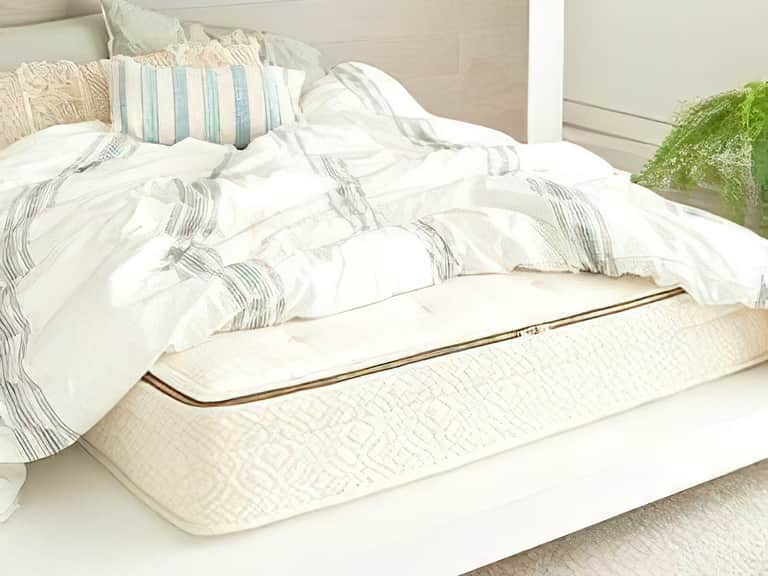
The Naturepedic Azure Hybrid Organic Mattress is an example of an organic mattress in the hybrid category. Its hybrid format pairs a coil support system with comfort layers, combining structured support with cushioning. People comparing mattresses can consider its materials, feel, and construction alongside bedding choices such as pillows and sheets for a coordinated sleep environment.
When evaluating a hybrid mattress, useful factors include firmness, pressure distribution, edge support, temperature regulation, and how easily the surface responds to movement. Latex comfort layers, when present, are often associated with buoyancy and responsiveness, though the feel depends on the specific design. Reviewing material details can clarify whether a mattress suits individual comfort needs.
Hybrid mattresses are relevant to sleepers seeking a balance between the lift of coils and the cushioning of layered materials. Organic mattresses may also be considered by those who prioritize material sourcing and composition. Pairing a mattress with appropriate pillows, sheets, and other bedding can affect overall comfort, while the mattress itself provides the foundation for sleep support.
 Mattresses