Mattress Comparisons
Natural Latex Mattresses: How Firmness and Layering Shape Comfort
A latex mattress is not defined by one material or one firmness number. Its feel emerges from the way latex layers are arranged, how thick each layer is, and what supports them underneath. Looking at the whole construction offers a more useful path to understanding pressure relief, alignment, and long-term comfort.
The label is only the beginning
Natural latex has a reputation for springiness, resilience, and a buoyant kind of support. Those qualities matter, but they do not make every latex mattress feel alike. One model may respond quickly and feel gently yielding near the surface; another may feel firmer, more lifted, or distinctly more substantial. The difference often lies not in the word “latex” on the label but in how the mattress is built.
Firmness is frequently presented as a simple scale, sometimes running from soft to firm or from one to ten. It can help organize a comparison, but it is not a universal measurement. A brand’s “medium” may feel different from another brand’s “medium,” and the same mattress can feel unlike itself to people with different body shapes, weights, sleeping positions, and comfort expectations.
For that reason, evaluating natural latex mattresses calls for a wider view. Consider the firmness of each layer, the order and thickness of those layers, the support core, the cover, and the foundation beneath the mattress. Together, these parts shape the experience of lying down and the way the mattress responds over a night.
What firmness actually describes
In everyday use, firmness describes the initial impression of a sleep surface: how much it seems to give beneath the body. It is related to, but not identical with, support. A mattress can feel soft at first contact and still provide a stable base beneath the hips and shoulders. Conversely, a mattress that feels firm on the surface may not suit a particular sleeper’s alignment or pressure needs.
Support is about how the mattress holds the body in a comfortable, reasonably neutral position rather than allowing parts to sink too far or forcing them upward. Pressure relief concerns how well the surface distributes load at areas such as the shoulders, hips, and knees. Comfort sits at the intersection of those qualities, filtered through individual preference.
Natural latex is often described as responsive: it compresses under pressure and rebounds relatively quickly when pressure shifts. That quality can make movement feel easier than on materials that respond more slowly. But responsiveness alone does not determine comfort. A thin, firm comfort layer over a supportive core will behave differently from a thicker, softer upper layer, even if both mattresses use latex.
When reading product descriptions, treat firmness terms as starting points rather than verdicts. Look for details about construction and, where available, clear explanations of the intended feel. If a manufacturer provides a firmness scale, note that it is most useful for comparing products within that same range, not as a standard shared across the entire market.
Why layer arrangement matters
Many latex mattresses use more than one layer. The upper layers influence the first impression and help accommodate the body’s contours. Lower layers generally contribute to deeper support and the overall stability of the mattress. The precise roles depend on thickness, firmness, and design, but the principle is straightforward: the layers work as a system.
A softer upper layer can allow the shoulders and hips to settle somewhat into the mattress, while a firmer layer below can limit excessive sinking. If the comfort layer is very thin, sleepers may feel more of the firmer material beneath it. If it is thicker or more yielding, the surface may feel more cushioned, though the underlying layers still affect how far the body travels.
Layer order changes the feel, too. A mattress designed with a softer layer above a firmer support layer creates a different transition than one with several layers of gradually changing firmness. Some designs use a reversible construction, allowing the sleeper to turn the mattress or rearrange layers. That flexibility can help people fine-tune comfort, but it is useful only when the mattress is explicitly built for that purpose and the care instructions permit it.
Thickness should be considered alongside firmness, not in isolation. A thin layer of soft latex may provide a light surface cushion; a thicker layer of the same general firmness may create a more noticeable contouring sensation. Meanwhile, the total mattress height does not automatically indicate a softer or more supportive feel. It is the composition and relationship of the layers that matter.
For a practical comparison, ask four questions: What is the material and firmness of the top layer? How thick is it? What sits immediately beneath it? And how is the support core designed? These details are more revealing than a product title that simply calls a mattress “plush,” “medium,” or “firm.”
Matching a mattress to sleeping position
Sleeping position can provide a useful framework for thinking about latex mattress firmness, though it cannot dictate a single answer. Body proportions, personal tolerance for pressure, and the way a person moves through the night all influence the best fit. A position-based comparison is a way to narrow the field, not a substitute for individual assessment.
Side sleeping
Side sleepers often place more concentrated pressure on the shoulder and hip. A surface that is too firm for a particular sleeper may not give those areas enough room to settle, which can create a feeling of pressure or make the body feel perched above the mattress. A more accommodating upper layer may help distribute contact, while a supportive layer beneath it can keep the rest of the body from sinking excessively.
That does not mean every side sleeper needs a soft mattress. A smaller-framed person and a larger-framed person may compress the same surface differently. The useful question is whether the mattress cushions prominent pressure points while allowing the spine to remain comfortably aligned.
Back sleeping
Back sleepers commonly look for a balance: enough give to avoid an overly rigid feeling, with enough support to keep the torso and pelvis from sinking in an uncomfortable way. A medium-feeling surface may work for some, but the label alone cannot establish whether the layer arrangement is right. The overall construction and the sleeper’s experience matter more than a category name.
Stomach sleeping
Stomach sleeping can place particular demands on mattress support. If the midsection sinks too deeply relative to the rest of the body, the sleeper may find the position uncomfortable. Some stomach sleepers therefore prefer a firmer, more even-feeling surface. Even here, “firmer” should not be treated as an automatic prescription; the goal is a stable, comfortable position rather than hardness for its own sake.
Combination sleeping
People who change positions may value responsiveness and ease of movement. Latex’s spring-back quality can make it feel less restrictive when turning, but the experience varies with layer thickness and firmness. Combination sleepers should pay attention not only to the position in which they fall asleep, but also to how the mattress feels when shifting between positions during the night.
Firmness, pressure relief, and body weight
A mattress compresses in response to the load placed on it. As a result, two sleepers can experience the same latex construction differently. A person who exerts less force on the surface may perceive a mattress as firmer because the layers compress less. Someone who exerts more force may experience more compression and a deeper impression of the same mattress.
This helps explain why firmness recommendations based solely on sleep position can miss the mark. The same side-sleeping recommendation may not apply equally to everyone. Personal comfort, body proportions, and the distribution of weight all affect how pressure and support are perceived. If possible, look for a trial period and understand its conditions before making a decision. Time spent lying on a mattress in a showroom may reveal an initial feel, but a longer at-home trial can provide a broader sense of everyday use.
Pay attention to specific signals rather than trying to assign a perfect score. Does the shoulder feel compressed? Do the hips feel unsupported? Is it comfortable to turn? Does the surface feel stable, or does it seem to resist the position you naturally adopt? These observations help translate abstract firmness language into practical comparisons.
The foundation beneath the mattress
Even a carefully layered latex mattress depends on the surface supporting it. A suitable foundation can help maintain the mattress’s shape and provide consistent support. A weak, uneven, or incompatible base may change the feel of the bed and, in some cases, undermine the mattress’s performance or warranty coverage.
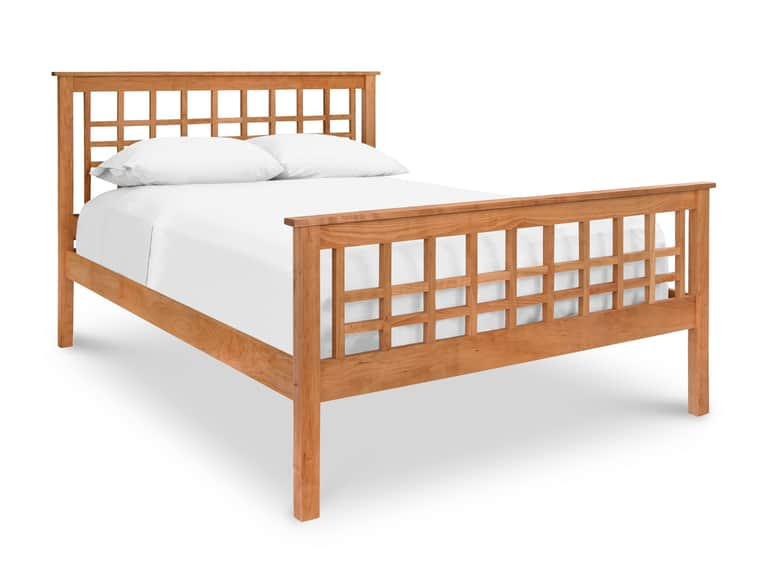
Before buying, check the manufacturer’s requirements for slat spacing, platform surfaces, center supports, and adjustable bases. A mattress that needs closely spaced slats may not be appropriate for a frame with wide gaps. A platform bed can offer a different kind of support from a traditional foundation, so compatibility should be confirmed rather than assumed.
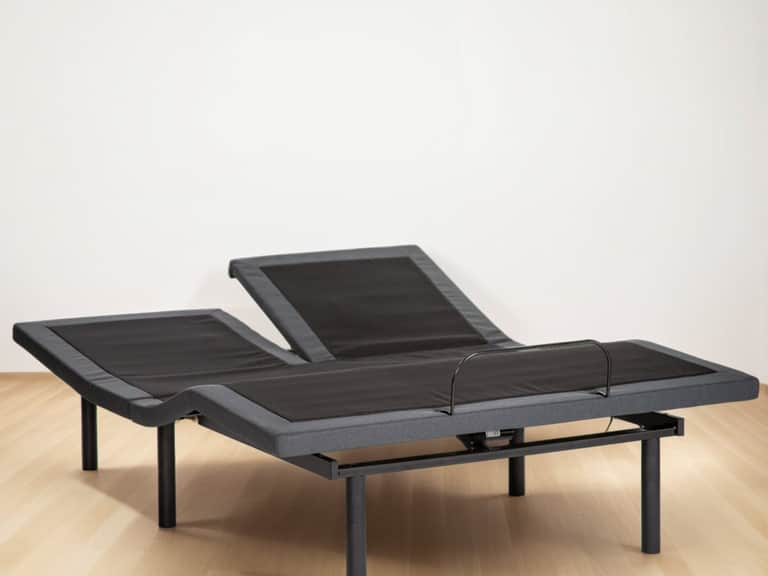
Adjustable bases add another consideration. Not every latex mattress is designed to flex with every adjustable frame. If you plan to use one, verify that the mattress is compatible and review any guidance about bending, articulation, or frame use. The support system is part of the bed’s construction, not an afterthought.
Natural, organic, and certified: read claims carefully
Terms such as “natural latex,” “organic latex,” and “organic mattress” can describe different things. A natural-material claim may refer to the source of the latex, but a mattress can combine materials from several sources. “Organic” may apply to a particular component rather than every part of the finished mattress. Certification can help clarify what has been assessed, but the scope of a certification matters.
Check which specific materials are covered, which organization issued the certification, and whether the claim refers to the latex itself, the textile cover, or the complete product. Ask for the relevant documentation when a claim is central to your decision. Clear product information should distinguish latex from other components, such as fabric, adhesives, fire barriers, or support materials, rather than implying that one label describes the entire mattress.
Natural-material preferences may reflect environmental priorities, sensitivities, or a desire to understand what is in a sleep setup. Those are valid reasons to compare products, but a certification or material label does not establish that a mattress will be comfortable, durable, or appropriate for a particular sleeper. Material transparency and comfort evaluation are separate parts of an informed choice.
Durability and care are part of the comparison
Latex is often chosen for its resilience, but durability is not guaranteed by a material name alone. Construction quality, layer density, use, foundation support, and care all contribute to how a mattress performs over time. Ask what the manufacturer states about expected use, coverage, and care, and read the warranty carefully. A warranty is a document defining particular terms, not a promise that every change in feel or comfort will qualify for service.
Care instructions vary. Some latex mattresses have removable covers; others do not. A removable cover should not be washed unless its label or manufacturer guidance permits it. Liquids, heat, direct sunlight, and unsuitable cleaning products may affect mattress materials. A breathable protector can help shield the surface from spills and everyday wear, but it should be compatible with the mattress and not interfere with the feel or airflow you want.
Rotation guidance also varies by design. Some mattresses are intended to be rotated head to foot, while others are not meant to be flipped because their layers have a specific top-to-bottom order. Reversible mattresses are an exception only when their construction and instructions explicitly support flipping. Following the care guidance is a simple way to avoid turning a comfort adjustment into a construction problem.
A side-by-side framework for comparing options
When two natural latex mattresses seem similar, use a consistent checklist. Compare their construction rather than relying on broad marketing language, and note any details that are missing. An unanswered question can be as important as a listed feature.
- Layer construction: Record the number, order, and thickness of the layers.
- Firmness descriptions: Note the manufacturer’s terms and whether the feel can be adjusted or reversed.
- Support core: Find out what forms the base and whether the core has a distinct firmness or design.
- Material disclosure: Identify which components are natural latex and which use other materials.
- Certifications: Verify the exact component and claim covered by each certification.
- Foundation requirements: Check compatibility with your frame, platform, slats, or adjustable base.
- Trial and warranty: Review duration, return conditions, exclusions, and what the warranty actually covers.
- Care instructions: Confirm whether the cover is removable, whether rotation is recommended, and how spills should be handled.
- Personal fit: Consider your sleeping positions, pressure points, temperature preferences, and ease of movement.
This framework is especially helpful when product pages use different terminology. One company may describe a mattress by its overall feel; another may emphasize individual layer firmness. A structured comparison translates those descriptions into questions about what the sleeper will actually encounter.
Common assumptions that can distort a decision
“Natural latex always feels firm.” Latex can be made and layered to produce different surface sensations. Firmness depends on the construction, not simply on the material category.
“A softer mattress cannot support the body.” Softness at the surface and support beneath it are related but distinct. Layered construction can combine a yielding comfort layer with a firmer base.
“A thicker mattress is automatically more comfortable.” Height alone does not tell you how the layers behave. A taller mattress may contain more material, but the composition, firmness, and design determine the feel.
“Organic means better for every sleeper.” Organic claims relate to materials and standards, not personal comfort. A certified mattress can still be the wrong firmness or construction for a particular person.
“A firmness number is universally comparable.” Unless ratings use the same defined method, numbers and labels are best treated as manufacturer-specific descriptions.
A useful decision, not a perfect number
The strongest comparison of natural latex mattresses begins with the sleeper, not the product name. Think about the positions you use, the places where you feel pressure, how easily you move, and whether you tend to prefer a cushioned or more lifted sensation. Then examine how the mattress’s layers might create that experience.
Firmness provides a shorthand, but layering gives the shorthand meaning. A softer upper layer over a stable base can feel different from a firm surface built from thinner layers. The support core and the foundation underneath add further influence. Materials and certifications can clarify what the mattress is made from, while care and warranty details help establish whether it fits your practical expectations.
There is no single latex configuration that suits every body or every bedroom. A thoughtful choice is one supported by transparent construction details, a compatible base, clear care instructions, and a realistic way to assess comfort. Look beyond the firmness label, compare the entire system, and let your own experience—rather than a universal promise—settle the question.