Wool is a natural, breathable fiber known for its temperature regulation and moisture-wicking properties, making it a versatile component in bedding systems. In the context of sleep environments, wool helps maintain a comfortable microclimate by absorbing excess humidity and releasing it when air is dry. This balance supports restful slumber across varying seasons and sleeping preferences.
Within bedding discussions, wool works well alongside organic materials and traditional fibers, offering durability and resilient loft. Its insulating yet breathable nature contributes to a consistent sleep surface, reducing heat buildup and promoting longer, uninterrupted rest. When integrated with compatible pillows and sheets, wool enhances overall sleep quality without compromising comfort.
Key features of wool bedding include natural elasticity, flame resistance, and antimicrobial tendencies, which can contribute to a cleaner sleeping environment. The fiber’s crimp and scale structure trap air, providing insulation and cushioning that support body alignment. Proper care of wool products helps retain loft, softness, and functional benefits over time.
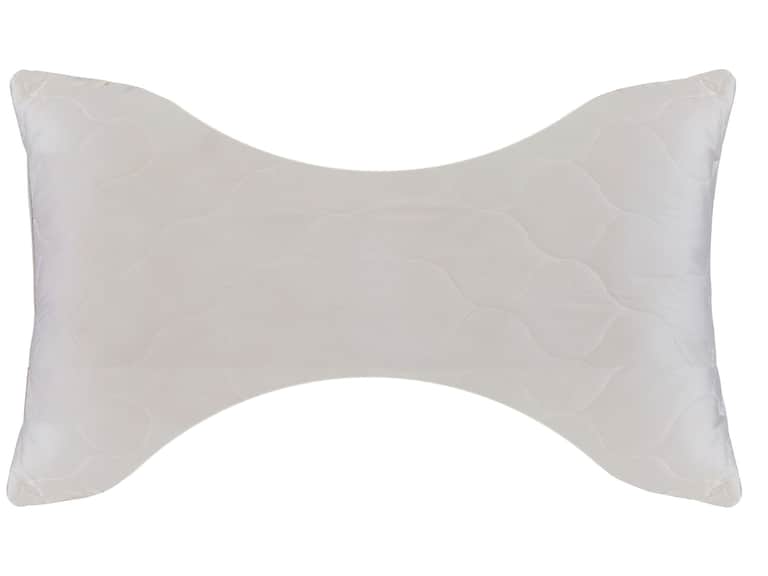
In product examples such as the Sleep and Beyond myDual Side Pillow, wool components may be paired with other premium fills to adapt to different sleep positions and preferences. The pillow’s side-specific design helps align the head and neck while wool’s temperature regulation assists in maintaining a stable, comfortable surface during the night.
When considering bedding systems that include wool, users often evaluate compatibility with sheets, pillows, and organic mattresses. Wool complements latex and natural fabrics, contributing to a holistic approach to sleep comfort and sustainability. Understanding these interactions supports informed decisions about material choices for long-term sleep health and hygiene.
 Bedding