Mattress toppers are designed to enhance comfort and support without altering the underlying mattress structure. They provide an additional layer that can adjust firmness, regulate temperature, and improve pressure relief. This category emphasizes materials, thickness options, and construction details to help users select a topper that aligns with sleep preferences and existing bedding systems, including latex and organic options.
When evaluating toppers, key features include material composition, fill power, density, and breathability. Hypodown® Bed, for example, is highlighted for breathable, full-body comfort that supports the spine and shoulders while maintaining a cool sleeping surface. Understanding how these elements influence contouring, loft, and heat management supports informed bedding choices.
Material considerations are central to topper performance. Latex toppers offer responsive support and durability, while down-alternative fills emphasize softness and warmth without heavy saturation. For sleepers seeking eco-friendly options, organic and natural fillings reduce potential irritants and align with sustainable bedding practices while preserving comfort longevity.
Use cases for mattress toppers include adapting a too-firm mattress, managing joint discomfort, or extending mattress life by reducing wear. The right topper bridges the gap between personal comfort zones and existing mattress geometry, improving sleep quality through targeted pressure distribution and temperature regulation across sleeping surfaces.
In summary, mattress toppers combine material science, ergonomic support, and fabric technology to tailor a sleep surface. Features such as breathability, loft adjustment, and compatibility with bedding accessories—sheets and pillows—play a crucial role in optimizing rest, particularly when considering options like Hypodown® Bed for enhanced comfort and sleep alignment.
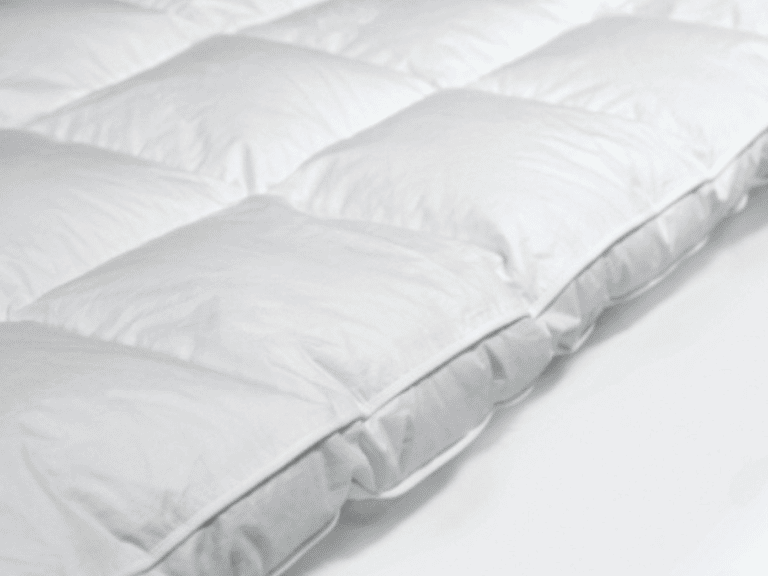 Mattress Toppers