Comforters are essential bedding layers designed to provide warmth and a cohesive aesthetic to a bed setup, with fills ranging from natural down to synthetic alternatives. Understanding tog ratings helps match insulation to seasonality, while shell fabrics influence comfort, durability, and breathability. This category highlights core options and their practical benefits for varied sleep environments.
In the realm of comforters, materials such as cotton, wool, down, and blends offer distinct warmth-retention characteristics and moisture management. Down-alternative options provide hypoallergenic performance, while high-thread-count cotton shells can enhance softness and longevity. Knowledge of fill power and loft helps compare warmth-to-weight ratios across products like Sleep and Beyond and myComforter.
Key features to consider include warmth level (tog rating), fill material, cover fabric, weight, and care requirements. A balanced comforter can deliver consistent thermal comfort without excessive heft, supporting restful sleep and easier bed maintenance. Functional benefits often include year-round usability and compatibility with other bedding items like sheets and pillows.
The Sleep and Beyond line and myComforter products illustrate practical benefits such as temperature regulation, durable construction, and easy care. Features to note include bias-bound edges, secure corner loops, and breathable shells that aid in moisture dispersal. Understanding these elements helps determine suitability for different climates and bedding ecosystems.
Meta keywords such as bedding, pillows, sheets, organic mattresses, and latex intersect with comforter selection by highlighting overall sleep system considerations. By focusing on materials, warmth ratings, and care instructions, this category informs users about how comforters integrate into a holistic approach to restful, sustainable sleep environments.
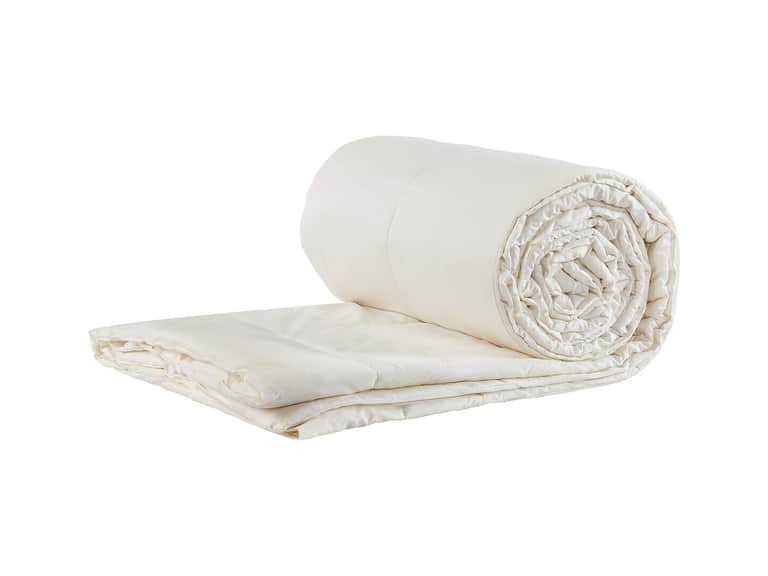 Bedding