Understanding the Sleep Environment: Breathability, Moisture, and Thermal Regulation
Sleep scientists remind us that a bedroom is a system, not a single product. Temperature, humidity, airflow, and surface comfort interact in ways that can subtly alter the depth of our sleep cycles. Breathability is not merely a word stamped on a label; it is the ambassador of quiet nights. When your sheets wick moisture and permit air to circulate, your body can find a steadier rhythm, tending toward the restorative stages of slumber rather than a restless drift.
The bedding you choose—sheets, duvet covers, and mattress protectors—acts as the interface between skin and environment. A well-chosen sheet set can tilt the balance toward cool comfort for hot sleepers, or toward warmth and cocooning density for those in cooler climates. Materials like organic cotton sateen, percale, and viscose-based fibers such as Tencel each bring their own conduction profile to the bed. Temperature regulation emerges from this material science as much as from the mechanical design of your mattress or adjustable base.
Materials and Their Thermal Personalities
Cotton sateen tends to drape with a smooth, silky hand that can feel warmer at first contact, particularly in higher thread counts. Percale, by contrast, is crisper and more breathable, often perceived as cooler to the touch. Temperature regulation is not only about warmth; it is about how quickly a fabric can release moisture and how readily air moves through it. Tencel, a cellulose-based fiber, is celebrated for its moisture-wicking properties and breathability near the skin, offering a cooler, more consistent microclimate for many sleepers.
Sheets, Duvet Covers, and the Nightly Temperature Dance
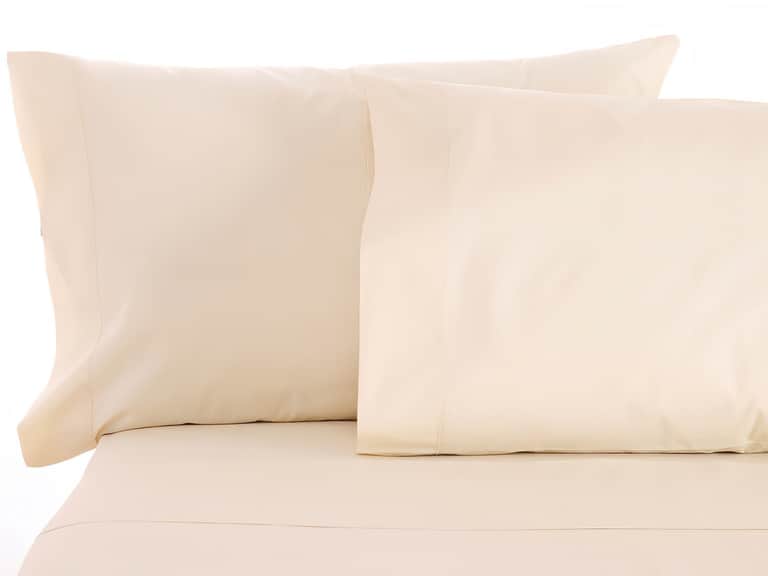
The Sleep and Beyond Organic Cotton Sateen Sheet Set, a 300-thread-count staple, presents a case study in how organic materials can combine luxury with practical performance. Its GOTS certification signals not just softness but a chain of custody that respects environmental ethics. In night-long terms, this translates to a surface that feels sumptuous yet is not obstructively warm, depending on how you layer it with blankets and a breathable duvet cover.
When you pair such sheets with a duvet cover made from similarly conscientious fabrics, you create a system that breathes together. The duvet cover acts as a controlled barrier—soft, breathable, and washable—that protects the duvet insert and helps modulate heat retention. In warm months, a lighter insert or a breathable cover can reduce overdressing and encourage a steadier sleep rhythm.
A Short Gallery of Notable Bedding Actors
Below are three emblematic figures from distinct periods, each contributing a unique lens on sleep, comfort, and the bedroom as a sanctuary.
Ancient to Early Modern: Hypnos of Myth and Medical Traditions
In classical myth, Hypnos embodies sleep’s soft but inexorable pull. The ancient and early scientific traditions treated sleep as a doorway between waking reason and dreaming states. The early medical world, from Hippocrates onward, approached sleep as a daily physiologic function intertwined with nourishment, air, and temperament.
Thoughtful bedding—emphasizing cleanliness, calm surroundings, and predictable routine—emerges as a timeless ritual that precedes the mind’s stillness. In a sense, Hypnos’s realm was the prototype for a bedtime ritual that modern science still seeks to optimize with textiles and design.
The Enlightenment and the Sleep Civilizer: Jean-Jacques Rousseau
Rousseau’s era was a turning point for the bedroom as a private, cultivated space. The rise of the well-ordered sleeping schedule and orderly interiors mirrored a broader faith in reason and routine. Bedding—correctly chosen sheets, appropriate blankets, and a bed that supports good posture—becomes a small but meaningful instrument of a disciplined, humane life.
The alignment of body, room, and ritual—the bed as a site of repose rather than merely a place to sleep—signals a philosophical shift toward designing sleep as a core element of well-being.
Contemporary Design Thought: Don and the Modern Comfort Laboratory
In recent decades, designers and sleep researchers have treated the bedroom as a laboratory for comfort. The Sleep and Beyond line and Sleep and Beyond Organic Cotton Sateen Sheet Set illustrate a modern convergence of eco-conscious material science and everyday luxury. The bed is no longer a simple platform; it is a climate-controlled stage for deep rest.
Contemporary thought blends textile science with ergonomic bed configurations—mattress protectors, deep-pocket fitted sheets, and temperature-regulating duvet covers—creating a holistic ecosystem for restorative sleep.
Key Bedding Picks for Deep, Restorative Sleep
The following examples from reputable lines illustrate how a thoughtful combination of fibers, construction, and fit can support sleep. We’ll reference the Sleep and Beyond Organic Cotton Sateen Sheet Set, a robust example of practicality wrapped in luxury, and the Naturepedic duvet cover family as a model for sustainable warmth and skin-friendly textiles.
Sleep and Beyond Organic Cotton Sateen Sheet Set (SB-OCSS)
From Sleep and Beyond, a GOTS-certified cotton satin with 300 thread count, designed for deep comfort and durability.
Key features include deep pockets for adjustable beds, double-stitched corners, and a packaging that is reusable and biodegradable. This sheet set aims to balance softness with breathability, offering a polished surface that remains stable across washes.
Naturepedic Organic Cotton Percale Duvet Cover Set
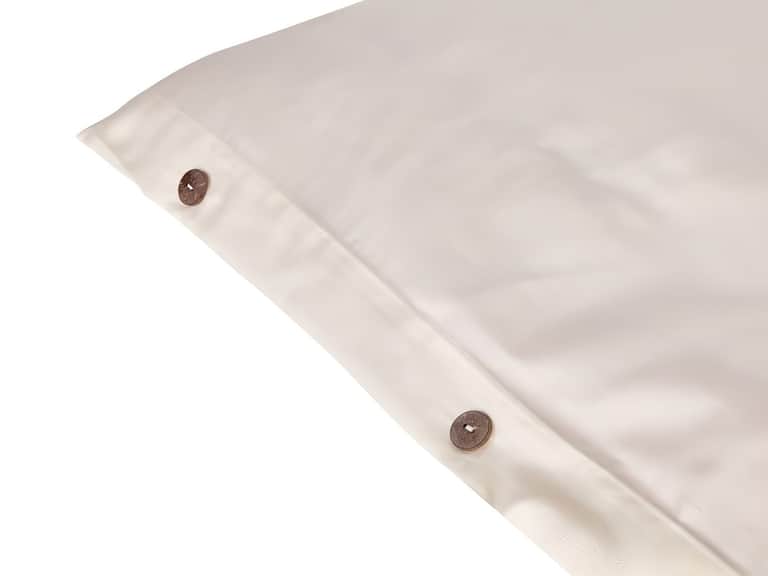
A crisp, breathable duvet cover powered by 300-thread-count organic cotton percale; designed for cool, clean nights and hotel-like refinement at home.
Percale weave provides a matte, airy feel that helps maintain temperature balance and skin sensitivity, especially when paired with natural duvet inserts.
A Principal Tool: The Adjustable Bed and Its Sleep Health Implications
If the environment is a stage, the bed is the instrument. Adjustable bases—leveling up the head, feet, or lumbar region—offer a controlled way to reduce pressure points, optimize blood flow, and ease breathing. The modern bed is no longer a passive foundation; it is a dynamic platform that can adapt to posture, breathing cycles, and even circadian rhythms.
For those suffering from specific health concerns such as snoring, acid reflux, or chronic back pain, the adjustable base can be a crucial ally. Pairing a supportive mattress with a breathable, temperature-regulating sheet set and duvet cover creates a synergistic system that supports healthy sleep cycles rather than fighting against discomfort night after night.
Three Figures, Three Epochs: A Short Portrait Gallery
Hypnos (Mythic Antiquity)
The ancient personification of sleep, reminding us that sleep’s seduction is as old as human imagination. In this frame, bedding is a ritual tool—cleanliness, quiet, and routine as protectors of rest.
Hippocrates (Classical to Hellenistic Medicine)
A physician’s gaze on sleep as a physiological function tethered to nourishment and climate. The bedframe and its textiles are part of a broader health ecology, where posture and cleanliness matter as much as medicine.
Contemporary Designer-Researchers
In our own era, textile science meets interior design. The modern bedding ecosystem—organic fabrics, breathable weaves, and adjustable bases—forms a laboratory for restorative sleep, a laboratory we inhabit nightly.
A Practical, Editorial Coda: How to Choose with Confidence
A guide to building a sleep-friendly bedding system, with a focus on materials, fit, and system integration with adjustable bases.